Those black stripes running down your roof are not dirt and they are not shingle wear. They are a living organism, and it is eating the roof.
📞 Call or Text (804) 571-7226 Get a Free Quote Most quotes go out the same day.
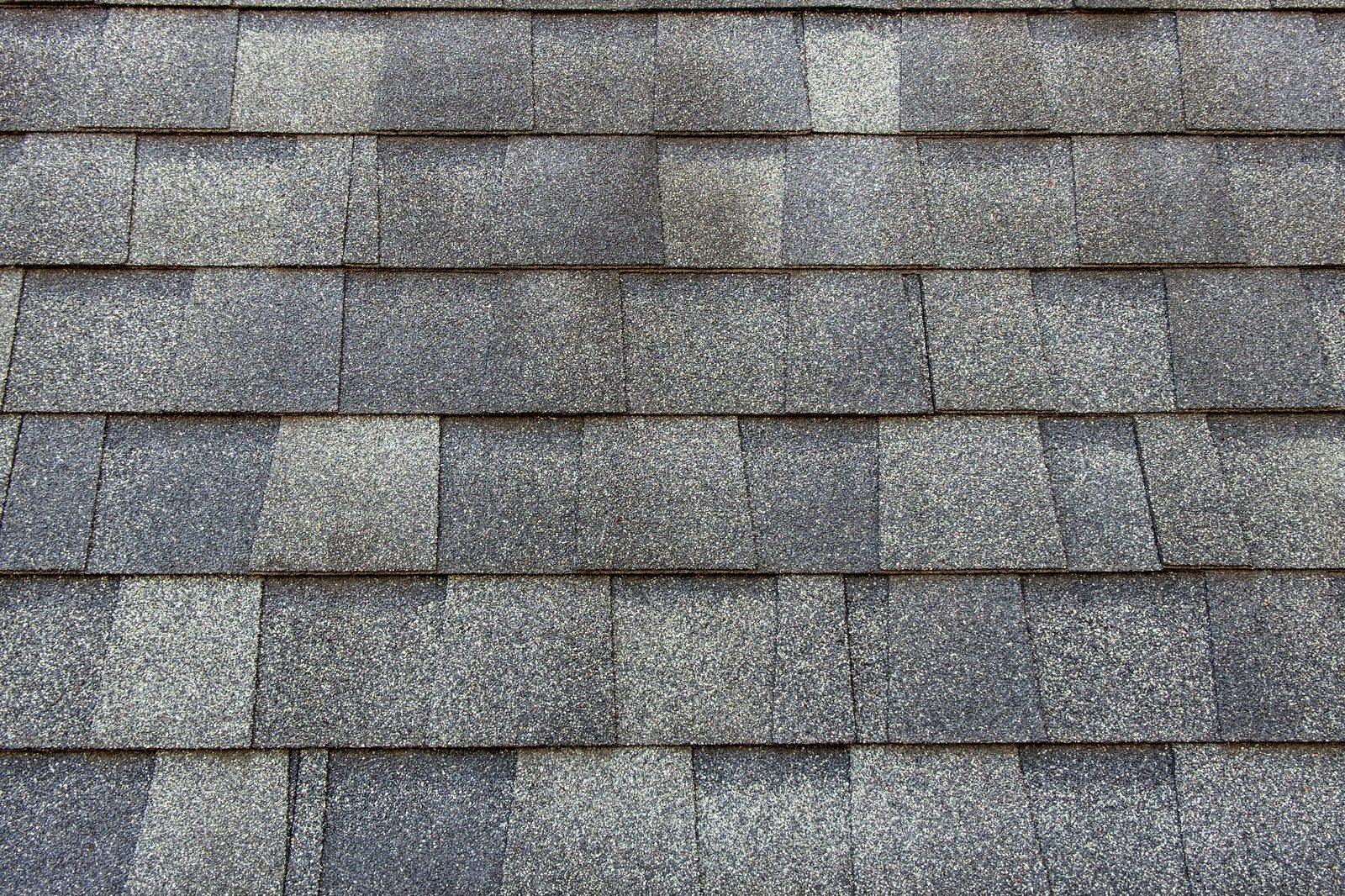
What the black stripes actually are
Gloeocapsa magma is a cyanobacteria that feeds on the limestone filler manufacturers mix into asphalt shingles. It starts at the ridge, where moisture lingers longest, and runs downward in the streaks everyone recognizes. It hits north slopes and shaded rooflines first — and Richmond’s tree canopy makes this close to universal on any roof past year eight.
Never pressure wash a roof
Granule loss takes years off a roof and voids most shingle warranties outright. A pressure washer strips the protective granules that shield the asphalt from UV; the roof may look clean for a season and then age at double speed.
Our method follows the ARMA (Asphalt Roofing Manufacturers Association) recommendation: a sodium hypochlorite solution applied at roughly garden-hose pressure, with no unnecessary foot traffic on the shingles. The solution kills the organism; rain and time carry the residue away.
Streaks vs. moss vs. lichen
Three different organisms, three different treatments, three different timelines. Algae streaking generally disappears within hours. Moss dies and releases over a few weeks. Lichen is the stubborn one — it roots into the granule surface, dies on contact but sheds over several weeks of weather. We say that before we quote, not after.
Does cleaning actually extend shingle life?
Yes, and the reason is mechanical: the algae mat holds moisture against the shingle and consumes the limestone filler that gives the shingle body. Removing it stops both. Also worth knowing — insurers in Virginia have become noticeably more interested in roof condition at renewal, and a heavily streaked roof photographs badly.
What we protect
Landscaping below the working slope is soaked and covered. Downspout runoff is managed and diluted. Driveways and walkways below get rinsed. Gutters are flushed of solution before we leave.
The 5-Step Low-Pressure Roof Wash
A roof wash is a chemical process, not a mechanical one. The sequence matters more than the equipment.
- 1. Inspect from the ground and the ladder. Shingle condition, granule loss, lifted tabs, flashing, and how far the growth has actually spread. If a roof is too far gone to wash safely, we say so and you owe us nothing.
- 2. Saturate the landscaping. Everything below the drip line and along the downspout discharge gets a plain-water soak first.
- 3. Apply the treatment at garden-hose pressure. The mix is applied from a ladder or roof edge and allowed to run down the slope. Nothing is scrubbed, brushed, or blasted.
- 4. Let it work. Black streaking lightens visibly within minutes. Moss and lichen die on contact but release over the following weeks as rain and wind carry them off. That delay is normal and it is the only safe way to remove them.
- 5. Rinse everything below. Siding, windows, gutters, walkways, beds and lawn. The roof itself gets no high-pressure rinse at any point.
Signs your roof is ready
- Dark streaks running down-slope, worst on the north side. The classic gloeocapsa magma pattern. It spreads downward because the organism travels with runoff.
- Green fuzz along shingle edges and in the valleys. Moss holding moisture directly against the shingle.
- Crusty gray-green patches that look painted on. Lichen, which roots into the granule layer and is the most damaging of the three.
- Granules collecting in the gutters or at the downspout splash block. Worth noting before a wash, because it tells us how much life the shingle has left.
- Shingle tabs lifting where moss has grown underneath. Moss expands when wet and can physically pry tabs loose.
- A neighbor’s roof of the same age looking noticeably better. Usually means shade and tree cover, not a better roof.
Why Richmond roofs streak faster than most
Gloeocapsa magma needs warmth, moisture and shade, and this metro delivers a long season of all three. Humid summers in the bend of the James keep moisture on north-facing slopes well past sunrise. The tree canopy that makes neighborhoods like Windsor Farms, Bon Air and Tuckahoe pleasant to live in also keeps roof planes shaded and damp for most of the day, and drops the organic debris that feeds moss in the valleys.
The other local factor is time. Our warm season runs long enough that growth gets several extra months a year compared with roofs further north. A Richmond roof at eight years often looks like a roof at twelve somewhere colder.
What roof cleaning costs in Richmond
Most single-story homes fall between $350 and $550. Two-story homes typically run $500 to $850. Steep, complex, or heavily overgrown roofs go higher. What moves the number:
Figures on this page are typical for Richmond-area properties and are given as a guide, not a quote. Your firm price comes once we have seen the property.
- Roof square footage and pitch — steeper roofs take longer and need more care to reach safely.
- How much growth — light streaking versus established moss and lichen are different jobs.
- Roof height and access — three stories, tight lot lines, and awkward ladder placement all add time.
- Landscaping around the perimeter — heavy foundation plantings mean more protection work.
- Bundling — roof and house wash booked together costs less than two separate visits.
Full numbers on the Richmond pricing page. If your gutters are also full, we can handle both on the same visit.
What a wash can and cannot fix
Cleaning restores appearance and stops active growth. It does not restore a worn roof.
- It will not replace lost granules. If the shingle has shed its mineral surface, washing reveals that rather than repairing it.
- It will not fix a leak. We are not roofers. If we see failing flashing or a cracked boot, we tell you and you call one.
- It will not make a 22-year roof look new. It will make it look clean, which is not the same thing.
- Moss will not vanish the same day. Anyone promising instant moss removal is either brushing it off or blasting it, and both damage shingles.
Related reading
If you want to understand the streaking itself before booking anything, we wrote a full explainer: black streaks on your roof in Richmond. For why we never point pressure at a roof, see soft washing vs pressure washing.
Common questions
Is roof cleaning safe on architectural shingles?
Yes, when it is done at low pressure with the right mix. Architectural shingles are no more fragile than three-tab, but they hold moisture longer in the thicker laminate layers, which is part of why they streak. What is never safe is a pressure washer.
Does this void my shingle warranty?
No. Low-pressure chemical cleaning is the method shingle manufacturers themselves point to. Pressure washing is what voids warranties, because it strips granules. If your warranty documentation specifies a cleaning method, show it to us and we will follow it.
Do you clean metal and standing-seam roofs?
Yes, and they are usually easier. Metal sheds growth faster than asphalt, so the treatment is lighter and results come up quickly. We check fastener and sealant condition before we start.
How long do the results last?
Three to five years for most Richmond homes. Heavily shaded roofs come back sooner. Roofs with good sun exposure on the affected slope can go longer.
Will my landscaping survive?
Yes. Pre-soaking and rinsing is the entire job as far as your plants are concerned, and we budget time for it. Damage comes from crews who skip it to save twenty minutes.
Are zinc or copper strips enough on their own?
They help, and they are worth installing, but only for the area directly below them. Rain has to carry the metal ions down the slope, so a strip at the ridge does little for a dormer or a lower plane. Think of them as slowing regrowth rather than preventing it.
Can you walk on my roof?
We stay off it wherever possible. Most roofs here are treated from ladders and the roof edge. If a section genuinely cannot be reached otherwise we will discuss it with you first, and we will not walk a roof that is brittle or steep enough to be unsafe.
How often should a Richmond roof be cleaned?
Every three to five years is typical. If your roof is heavily shaded, watch the north slope and call when the streaking becomes obvious rather than waiting for a set interval.
Can you do the gutters on the same visit?
Yes, and it usually makes sense to. Gutter debris feeds the moss in the valleys directly above it, and having the ladders already set saves you a second trip charge.
What if moss has already lifted some shingles?
We will show you before we treat. Killing the moss stops further lifting, but tabs that have already been pried up do not lie back down on their own. That is a roofing repair, and a small one if it is caught early.
📞 Call or Text (804) 571-7226 Get a Free Quote Most quotes go out the same day.