If your roof has dark streaks running down the slope — worst on the north side, spreading downward rather than sideways — you are looking at a living organism, not dirt, not shingle failure, and not something that will wash off in the next storm.
📞 Call or Text (804) 571-7226 Get a Free Quote Most quotes go out the same day.
What the streaks actually are
The organism is Gloeocapsa magma, a cyanobacteria. It feeds partly on the limestone filler used in modern asphalt shingles, which is why it became a widespread problem in the 1980s and 90s as manufacturers changed shingle composition. It protects itself from UV with a dark pigmented sheath, and that sheath is the black you can see.
It spreads downward because it travels with runoff, which is why the streaks look like they are dripping from the ridge. It starts on the north-facing slope because that side stays damp longest.
Why Richmond roofs get it worse
Three local factors stack up. Humidity in the James River corridor keeps roof planes damp well past sunrise for much of the year. The mature tree canopy across Henrico, Chesterfield and the older city neighborhoods shades roofs for most of the day and drops organic debris into the valleys. And our warm season runs long — growth gets several more months a year here than it would further north.
The practical result is that a Richmond roof at eight years often looks like a roof at twelve in a cooler, drier climate. It is not that your roof is failing early. It is that the conditions are close to ideal for the thing growing on it.
Does it actually damage the roof?
Streaking on its own is mostly cosmetic in the short term, but it does two real things over time. It holds moisture against the shingle, and it slightly raises surface temperature by darkening the roof, which accelerates asphalt aging.
The bigger concern is what follows it. Where gloeocapsa establishes, moss and lichen tend to arrive next, and those are genuinely destructive — moss holds standing water and can pry shingle tabs loose, and lichen roots into the granule layer and takes granules with it when removed.
What removes it, and what destroys your roof
It is removed chemically, at low pressure, and that is the only safe method. A treatment is applied, allowed to work, and rinsed. Streaking lightens within minutes; moss and lichen die on contact and release over the following weeks as weather carries them off.
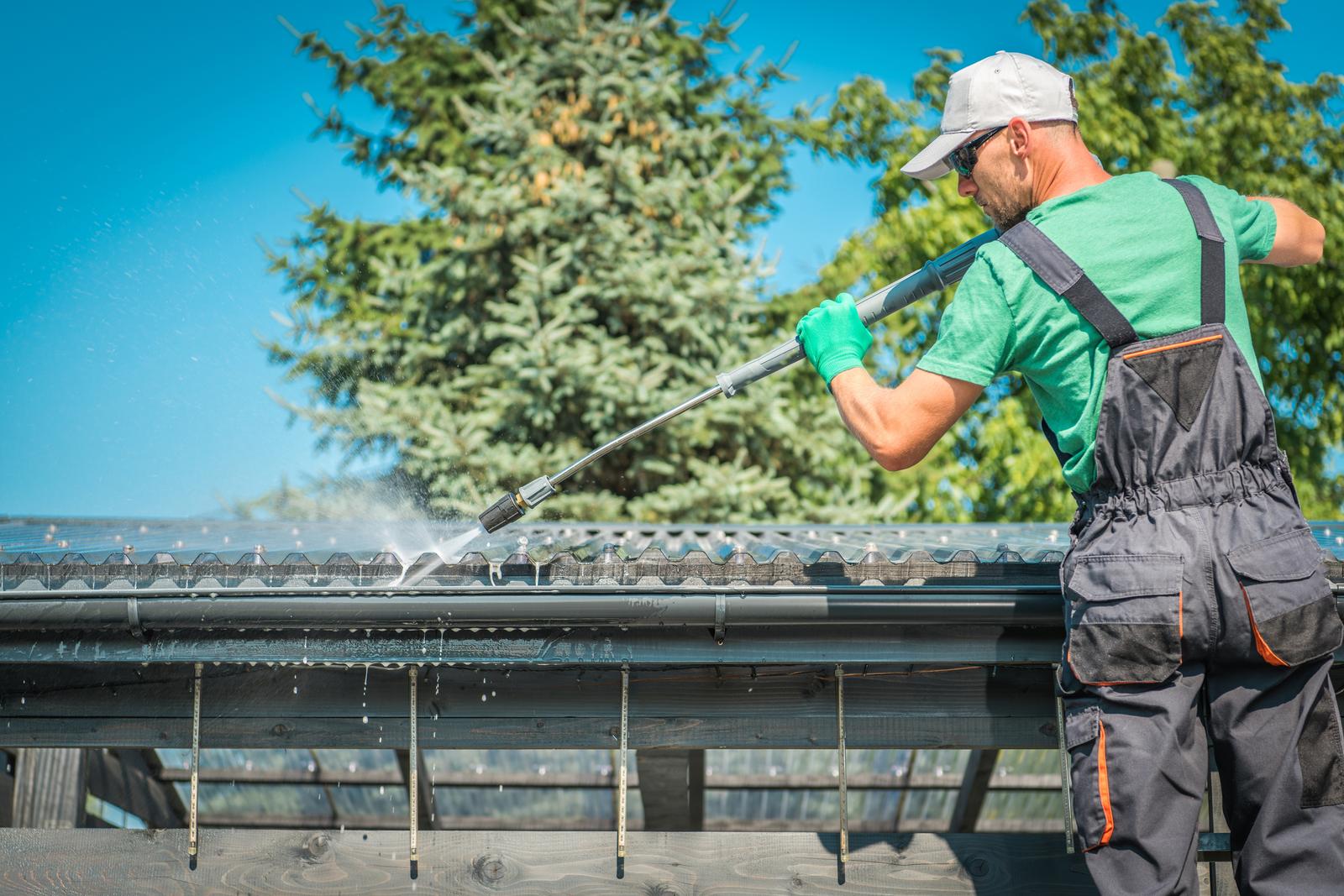
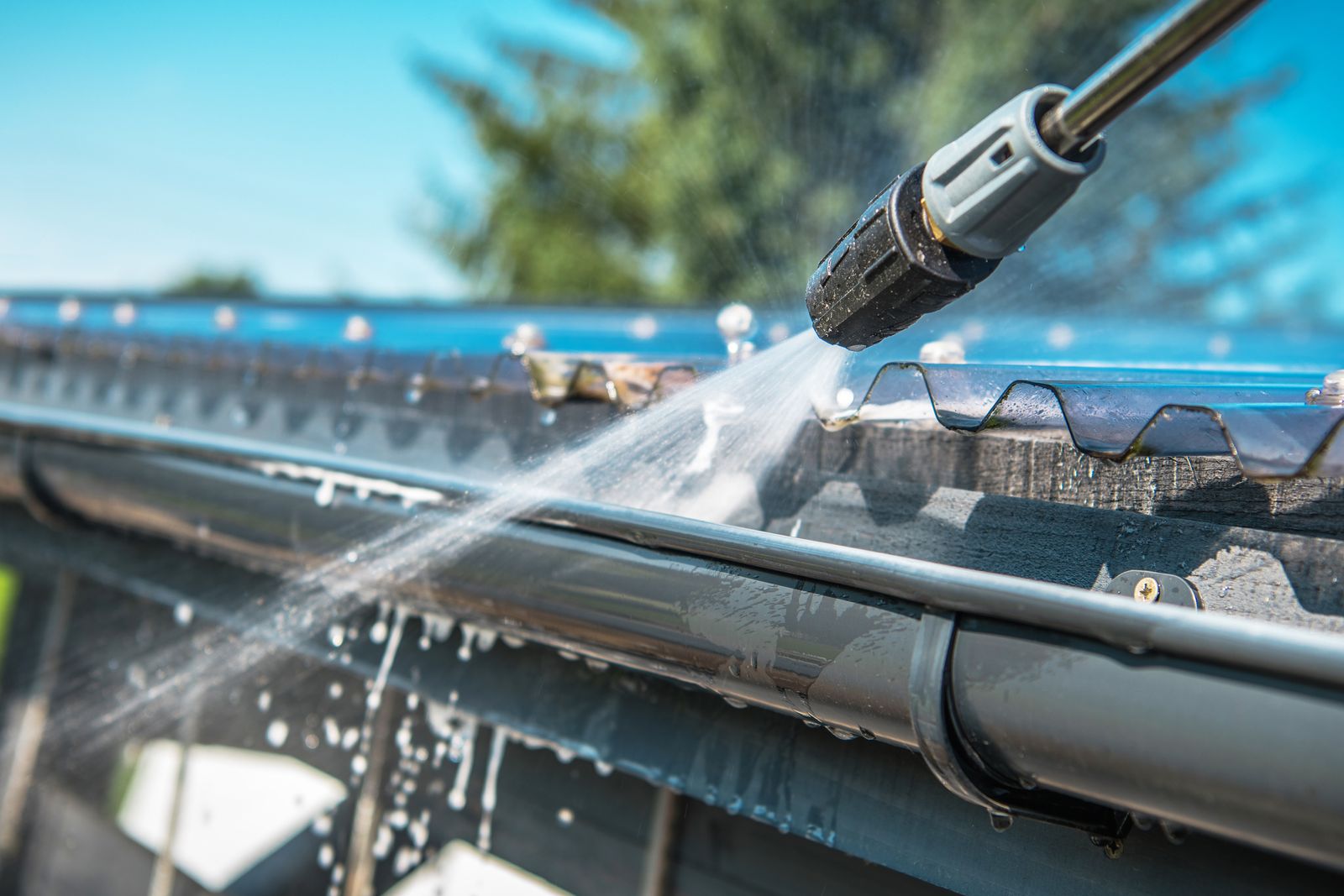
Never let anyone pressure wash an asphalt roof. High pressure strips the mineral granules that are the shingle’s UV protection. It will look clean and you will have taken years off the roof. It also commonly voids shingle warranties.
Full detail on how we handle it is on the roof cleaning page, and the general principle is covered in soft washing vs pressure washing.
Preventing it coming back
- Trim back overhanging limbs — more sun on the roof plane is the single most effective thing you can do.
- Keep gutters and valleys clear — organic debris is what moss establishes in.
- Consider zinc or copper strips — useful, but only for the area rain carries the ions across, so a ridge strip does little for a dormer.
- Expect three to five years between cleanings — sooner if the roof is heavily shaded.
Common questions
Will the streaks come back?
Yes, eventually — three to five years for most Richmond roofs, sooner if heavily shaded. It is maintenance, not a permanent fix, and anyone promising otherwise is overselling.
Can I clean it myself with bleach from the hardware store?
People do, and the risks are real: working at height on a wet slope, killing landscaping below, and using a mix strong enough to damage metal flashing and gutters. The chemistry is not complicated. The ladder work is where people get hurt.
Is it the same as moss?
No. Streaking is a cyanobacteria and lies flat. Moss is a plant and grows in visible clumps, usually in valleys and along shingle edges. Moss is more damaging and takes longer to release after treatment.
Does homeowners insurance cover it?
No. It is considered maintenance, not damage.
Will it spread to my neighbor’s roof?
It spreads by airborne spores, so in practice a whole street tends to get it around the same time. Cleaning yours does not protect it from theirs.
How soon will my roof look normal?
Streaking lightens dramatically the same day. Moss and lichen take weeks to fully release, which is normal and is the safe way to do it.
📞 Call or Text (804) 571-7226 Get a Free Quote Most quotes go out the same day.